Belgian dairy farm puts soil health at heart of sustainable model
Young farmers use crop rotation and Jersey cows to cut external inputs
 16 July 2026
 1 minute read
 By:
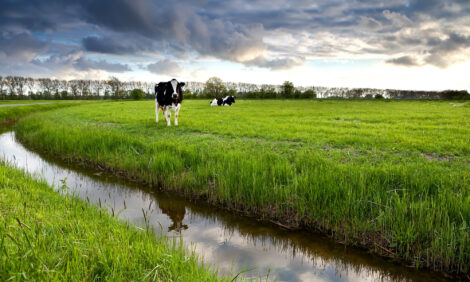
By: A fifth-generation dairy farm in Geel, in Belgium's Antwerp province, is building its future on soil health, using crop rotation, homegrown forage crops and a circular approach to reduce dependence on external inputs, according to a profile released by the Province of Antwerp.
Sofie Lietaer and Sander Soetemans of Milk & More grow grass, maize, fodder beets and grain on their own plots, using manure from their herd on the same land. Fodder beets feature prominently in their rotation for their nitrogen efficiency and feed quality. The farm's Jersey cow herd, which now makes up about a third of the total, produces high-fat, high-protein milk and suits the farm's lower-input model.
"We believe that the future of our company starts with healthy soil," said Lietaer and Soetemans. "The better the soil functions, the better crops grow, the more of our own feed we can produce, and the less dependent we become on external inputs."
The couple works with Hooibeekhoeve, a practical training centre for dairy farming in the province of Antwerp, to test techniques and monitor their impact. Katrien Geudens, forage crop researcher at Hooibeekhoeve, said soil quality is becoming increasingly important for the sector's future. "Healthy soil is the foundation of a productive and resilient agricultural system," she said.