NCBA: Elanco's new antibiotic Pradalex expands options for BRD management
Elanco’s newly launched Pradalex, labeled for both cattle and swine, adds a critical tool for treating bovine respiratory disease, especially in high-risk feedlot settings
 7 April 2025
 3 minute read
 By:
By: Dr. M. Wayne Ayers, technical consultant veterinarian on the Elanco Beef Team, was interviewed by The Cattle Site’s Sarah Mikesell at the National Cattlemen's Beef Association Conference - CattleCon, in San Antonio, Texas, USA.
What's new at Elanco?
Elanco is celebrating 71 years in business. Rumensin, one of our foundation products, is 50 years old. It is still performing, and we learn new things about the molecule all the time. It's been an exceptionally good asset for the cattle industry.
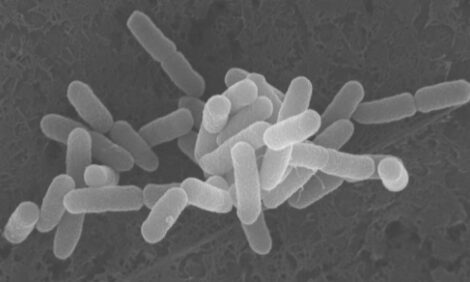
We've also got a brand new antibiotic that just became publicly available on Monday. It's the first new antibiotic in the last 10 or 12 years. Consumers can order it, and it’s called Pradalex. BRD is a huge issue, especially in the feedlot sector. Pradalex is labeled for both cattle and swine for respiratory disease. It's good to have another tool to treat BRD.
We also have a new vaccine combination launching this year. It's called Nuplura Plus 5, and it combines our Titanium Viral 5 and our M. haemolytica vaccine.
We have a highly active research and development department that is constantly trying to improve health efficiency for our animals to make our producers more profitable.
It's not always about a new active ingredient, sometimes it's looking at what you have and combining it or making it work for a different group of cattle?
100% that's accurate. We’ve highlighted that when talking about the new combination vaccine. We've had Titanium 5 for a long time and we've had Nuplura for at least 10 years. We've put those together to make it more convenient, so that people can use both with a single injection. We've developed strategies with parasiticides as well.
Tell us what's new with parasiticides.
When we purchased Bayer, we acquired all their parasiticides and insecticide portfolio. With the new portfolio, we combined and became the largest portfolio in the United States as far as a pharmaceutical company. With my background and experience over the years, I was asked to lead the way on the parasiticide side, so I spent a lot of time there.
We're looking at the moxidectin molecule, the Cydectin brand, launched in 1998. That is the last new parasiticide molecule that we've had. It was a long time ago. We don't know when the next one's coming. Nobody does. We've combined some, and brought some old ones back.
We’ve made the choice to try to be better stewards of the molecule. We are being more strategic by being more conscious of decisions, like possibly not needing to deworm everything. Maybe we need to figure out a better path and deworm those that need it with the best molecule possible, which is Cydectin. The others that don't need it - we give them a break. We have them create what's called refugia. They pass eggs that don't see a regular dose of dewormer, which then leaves them sensitive when we do want to deworm them. We've created a different strategy than what the rest of the industry is doing here at Elanco, trying to protect those molecules.
We have learned from others in the crop protection industry and the livestock industry that you must be cautious, right?
100%. It doesn't matter what it is, whether it's an herbicide; whether it's an antibiotic or whether it's a feed additive. If we tend to be more strategic and be better stewards, our molecules will be effective for a longer period. That's what we need, because it doesn't do any good to put expensive molecules on our animals if they're not doing any good. We want to get a return on our investment.
This is part of sustainability - making sure these is products are available to producers for as long as possible?
100%, it's all part of animal health - getting more animals to harvest and doing it in an efficient manner. That is the foundation of the sustainability model or what we call being environmental stewards. We can be health stewards and if our animals are healthy, we're going to be healthy.